Top Computer Recycling Houston Services for Desktop Computers
Ways Electronic Waste Disposal Can Enable Businesses Become Environmentally Friendly: Green Practices for Large Companies
Electronics recycling offers a crucial chance for businesses aiming to enhance their environmental responsibility programs. By handling e-waste effectively, organizations can reduce their ecological footprint and recover precious materials. Additionally, implementing these practices can improve brand reputation among environmentally aware consumers. Nevertheless, many businesses may miss the complexities involved in establishing a effective recycling strategy. Comprehending these subtleties is essential for navigating the path towards more sustainable business practices and realizing long-term advantages.
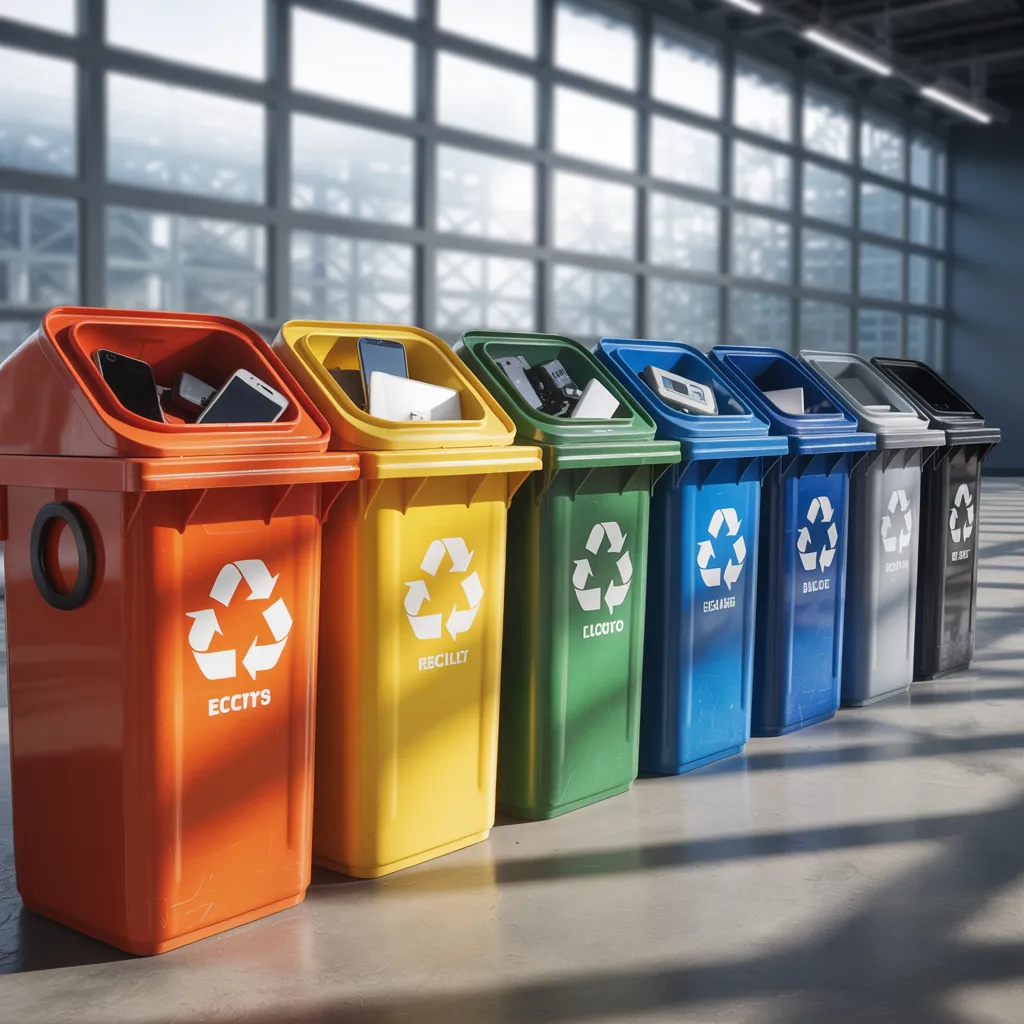
Why Electronic Devices Recycling Is Important for Enterprises
Although many enterprises may disregard the significance of electronics disposal, it functions as an vital role in advancing sustainability and lowering environmental impact. As technological progress accelerates, companies frequently refresh their electronic systems, resulting in a mounting volume of e-waste. Proper recycling ensures that valuable resources are reclaimed, reducing the need for new resource sourcing and conserving energy.
Additionally, engaging in electronics recycling can strengthen a company's standing. Consumers more frequently choose businesses devoted to sustainable practices, and exhibiting responsibility in managing e-waste can attract environmentally aware customers. Adherence to regulations regarding electronic waste also safeguards businesses from potential legal liabilities and fines.
Additionally, recycling can generate cost savings. By carefully handling outdated electronics, companies can lower waste disposal fees and obtain financial value from recyclable materials. Overall, implementing electronics recycling is not simply an responsible choice; it is a strategic business decision that corresponds with modern sustainability goals.
How Electronics Recycling Decreases Environmental Damage
Electronics recycling serves as an crucial role in decreasing environmental impact by preserving natural resources and reducing e-waste contamination. By reclaiming valuable materials, this process supports the promotion of circular economy principles. As businesses engage in ethical recycling, they add to a more sustainable future.
Protecting Natural Resources
The recycling of electronics greatly contributes to the preservation of natural resources by reclaiming precious elements. Many electronic devices hold precious metals such as gold, silver, and palladium, which can be extracted and reused. This process reduces the demand for mining, a energy-intensive activity that weakens ecosystems and uses substantial energy. In addition, recycling aids in recovering rare earth elements important to manufacturing new technologies. By diverting electronic waste from landfills, businesses not only lessen the environmental impact of resource extraction but also foster a circular economy. This sustainable approach enables companies to lower their carbon footprint, cut production costs, and promote environmental stewardship, ultimately fostering a healthier planet for future generations. Through responsible recycling, businesses can set an example in conserving vital natural resources.
Lowering E-Waste Pollution
A significant part of global waste is composed of electronic devices, resulting in worsening environmental pollution. E-waste that is disposed of improperly releases harmful substances including heavy metals and toxins, damaging soil and water sources. By recycling electronics, these risks are reduced as harmful components are dealt with in a safe and responsible manner. Through repurposing materials like metals, plastics, and glass, recycling diminishes the demand for new resource extraction, further cutting down on environmental harm. Furthermore, recycling programs help the responsible disposal of discarded devices, helping businesses comply with environmental standards. Companies that participate in electronics recycling reduce their carbon footprint and support a healthier environment. This forward-thinking method illustrates corporate responsibility while effectively dealing with the urgent problem of e-waste pollution.
Supporting Loop Economy Implementations
Implementing effective electronics recycling initiatives plays an essential role in fostering circular economy principles. By reprocessing discarded electronics, businesses can significantly reduce the demand for virgin resources, thereby preserving natural resources and minimizing environmental degradation. This practice encourages the reuse of precious materials, extending the lifecycle of products and decreasing the amount of e-waste sent to landfills. Additionally, by implementing sustainable business models, companies can enhance their brand reputation and align with consumer demand for sustainable practices. Emphasizing ethical waste management also encourages innovation in manufacturing development, inspiring producers to develop products that are easier to disassemble and recycle. Ultimately, integrating e-waste recycling into business operations contributes to a greener tomorrow, benefiting both the environment and the economy.
Top Benefits of Electronics Reuse for Organizations
Electronics recycling provides substantial advantages for businesses, mainly through reduced expenses and ecological footprint decrease. By correctly disposing of outdated equipment, companies can minimize disposal costs and recover valuable materials. Furthermore, adopting recycling practices expert advice improves business ethics and encourages eco-friendly initiatives.
Cost Savings Possibilities
Numerous organizations are discovering substantial savings through effective electronics recycling initiatives. By introducing these programs, companies can reduce disposal fees associated with e-waste, as recycling often costs less than landfill disposal. Beyond that, precious materials extracted from old electronics can be marketed, yielding revenue and offsetting replacement costs. Streamlined recycling approaches also lower storage costs for outdated equipment, opening valuable office space. Furthermore, many organizations enjoy from tax incentives related to eco-friendly practices, presenting another dimension of financial advantage. Overall, embracing electronics recycling not only promotes corporate responsibility but also encourages economic efficiency, allowing businesses to distribute resources more wisely and improve their bottom line.
Minimizing Environmental Impact
A significant reduction in environmental impact is one of the key benefits companies gain when they implement effective electronics recycling practices. By reprocessing old equipment, organizations can minimize hazardous waste, such as harmful elements and poisonous materials, that can leach into ground and aquatic systems. This not only helps in preserving environmental assets but also decreases the carbon footprint linked to producing fresh devices. Additionally, recycling conserves energy, as it often requires less energy to process recycled materials than to mine and process virgin resources. As organizations implement these practices, they support sustainable production cycles, promoting ecological responsibility and conservation. Ultimately, responsible electronics recycling allows businesses to improve environmental reputation while benefiting the planet.
How to Implement a Productive Electronics Recycling Initiative
Putting together a accomplished electronics recycling strategy requires careful design and performance. Businesses should proceed by evaluating their active e-waste control practices to identify portions for improvement. This evaluation should include an registry of deprecated devices and an assessment of disposal processes.
Following this, organizations should establish specific targets for their recycling strategies, which may include reducing waste quantities, boosting recycling percentages, or advancing sustainability goals. Engaging workforce via training sessions develops a sense of environmental accountability and inspires participation in sustainability initiatives.
Additionally, developing a schedule and financial allocation is vital for monitoring progress and guaranteeing resources are allocated efficiently. Regularly reviewing and updating the strategy based on suggestions and changing regulations helps sustain compliance and effectiveness. By incorporating these elements, companies can develop a robust electronics recycling program that not only helps the environment but also promotes corporate responsibility and strengthens their green image.
Methods to Locate the Correct Electronics Recovery Provider
How can a business guarantee its electronics recycling vendor aligns with its sustainability goals? Selecting the right recycling partner demands comprehensive assessment of their practices and certifications. Companies should look for partners who possess recognized certifications, such as R2 or e-Stewards, which verify compliance with sustainability standards.
Additionally, enterprises should question regarding the partner recycling procedures, encompassing the methods used to handle hazardous materials and the share of recycled materials versus those sent to landfills. Transparency in reporting and data management practices is also vital.
Additionally, a solid standing in the industry can showcase trustworthiness; businesses may gain benefits from reviews and testimonials from other clients. Participating in transparent communication about sustainability goals will help ensure alignment. Ultimately, selecting a partner committed to ethical recycling practices can greatly enhance a corporation's overall green initiatives.
Dispelling Widespread Untruths Regarding Electronics Recycling
While many businesses appreciate the necessity of electronics recycling, numerous myths persist that can obstruct effective practices. One frequent misconception is that all electronics can be placed in ordinary recycling bins. In fact, specialized facilities are essential to treat electronic waste safely. Another myth claims that recycling electronics is too costly for businesses. However, numerous recycling programs deliver free or low-cost services that can finally save companies money by decreasing waste disposal fees. Moreover, some consider that data security concerns make recycling too hazardous. Still, reputable recycling partners offer certified data destruction services, ensuring sensitive information is safely handled. Finally, there is a notion that recycling electronics has minimal environmental impact. In truth, proper recycling considerably reduces e-waste in landfills and saves valuable resources. Debunking these myths is important for businesses looking to adopt sustainable practices and support the environment.
Assessing Your Electronics Recycling Success
Businesses that effectively challenge myths about electronics recycling often find themselves enthusiastic to assess their development. Recording KPIs is essential for reviewing the effectiveness of recycling efforts. Measurements such as the volume of e-waste recycled, the percentage of materials retrieved, and cost savings can supply significant data.
Additionally, companies should assess their carbon footprint reduction and compliance with eco-friendly standards. Involving employees through awareness campaigns can also be measured by participation rates in waste reduction initiatives.
Including customer feedback can further enhance knowledge of the recycling program's influence. Consistent inspections and reporting on these data points not only highlight successes but also identify areas for improvement.
Ultimately, a systematic method to assessing electronics recycling success allows businesses to make data-driven decisions, cultivating a culture of sustainability that advantages both the environment and the organization.
Popular Inquiries Asked Often
Which Varieties of Tech Products Are Recyclable?
Numerous categories of electronics can be recycled, including computers, smartphones, tablets, televisions, printers, and gaming consoles. These items often contain important resources that can be reused, lowering waste and promoting environmental sustainability.
How Regularly Should Businesses Upgrade Their Electronics?
Enterprises should recycle their electronics at least once per year, or with greater frequency based on technological upgrades and equipment turnover. Consistent recycling programs certifies efficient resource management and adherence to regulatory standards, promoting ecological responsibility in your enterprise.
What Fees Are Involved With Electronics Recycling?
Yes, there are costs tied to electronics reuse, including gathering, transportation, and processing fees. However, these costs can be offset by potential reductions from minimized waste disposal and compliance with environmental regulations.
May Refurbishing Electronics Result in Data Security Risks?
Yes, disposing of electronics can lead to data security risks if correct measures are not kept. Sensitive information may be carelessly revealed during the recycling process, illustrating the importance of confidential data elimination methods before throwing away.
What Licenses Ought a Recycling Partner to Obtain?
A reputable recycling partner should maintain certifications such as R2, e-Stewards, and ISO 14001. These qualifications ensure adherence with sustainability guidelines, information protection measures, and ethical waste management, safeguarding both the environment and confidential data.