How Electronics Recycling Services Ensure Environmental Safety
Green Initiatives: How E-Waste Recycling Services Are Protecting Our Planet
E-waste represents a considerable hazard to the environment, as abandoned electronic devices commonly carry harmful materials. These toxic materials have the potential to taint soil and water sources, causing extensive damage to surrounding ecosystems. E-waste recycling initiatives provide a practical answer. They serve the dual purpose of reclaiming precious materials and reducing contamination. Comprehending the operation of these services and their influence on communities is of great importance. The path to successful electronic waste management prompts vital discussions about personal accountability and communal efforts. What steps can be taken next?
Why E-Waste Poses a Threat to the Planet
Although technology enhances modern life, e-waste poses serious threats to the environment. Disposed electronic equipment, often containing hazardous materials such as mercury, lead, and cadmium, are capable of seeping pollutants into the surrounding soil and water supply, creating hazards for both wildlife and human well-being. The accelerating rate of technological innovation contributes to greater consumer replacement of electronic devices, exacerbating the accumulation of electronic waste.
Landfills, already strained by waste, are unable to keep up with the rising quantities of abandoned electronics. Incineration, another disposal method, releases harmful pollutants into the atmosphere, contributing to air quality degradation. Moreover, poor recycling procedures can cause e-waste to be sent to developing regions, where employees may disassemble electronics without sufficient safety precautions, leaving them vulnerable to harmful substances. This pattern of negligence and mismanagement highlights the critical demand for eco-friendly recycling alternatives that can reduce the damaging impact of electronic waste on the environment.
What Is E-Waste and Why Is It Important?
E-waste, also referred to as electronic waste, encompasses discarded electronic devices such as smartphones, computers, and televisions that have reached the end of their useful life. This increasingly prevalent form of waste is important because of its swift buildup, fueled by innovation in technology and shifting consumer habits. With an increasing number of devices reaching obsolescence, the environmental impact intensifies, with dangerous elements including lead, mercury, and cadmium posing risks to ecosystems and human health.
The importance of addressing e-waste lies not only in mitigating these hazards but also in recognizing the valuable materials it contains. Critical metals and rare earth components can be reclaimed and recycled, decreasing the reliance See more on mining and protecting natural resources. Through a deeper awareness of e-waste and its consequences, both individuals and organizations can make well-informed choices regarding disposal and recycling, thereby supporting a more sustainable future. Responsible management of e-waste plays a key role in supporting a circular economy and championing environmental stewardship.
How E-Waste Recycling Works
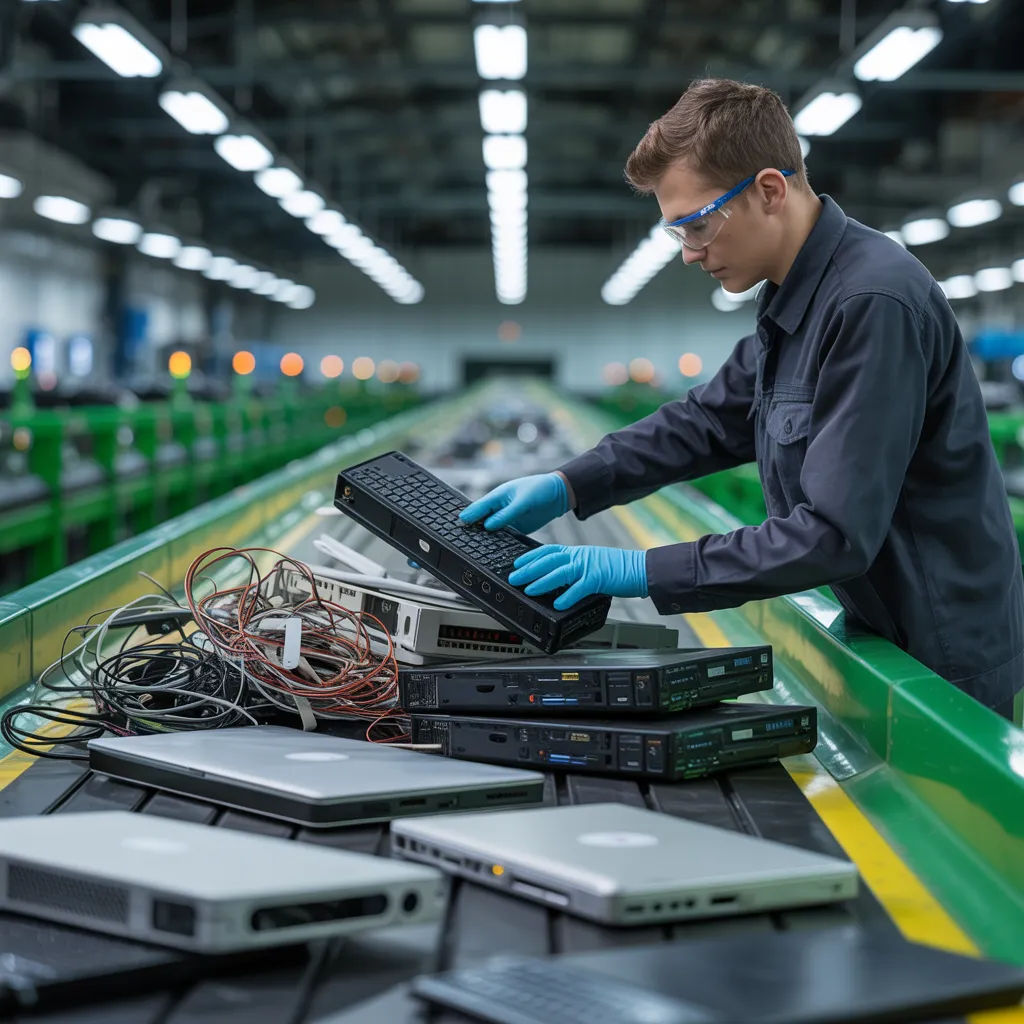
E-waste recycling entails a systematic process designed to recover valuable materials while reducing harm to the environment. To begin, discarded electronics are retrieved and sent to purpose-built recycling plants. After reaching the facility, the equipment is meticulously organized to distinguish harmful elements from reusable resources.
After this step, technicians deconstruct the devices, extracting metals, plastics, and glass. This phase is essential, as it facilitates the extraction of high-value metals like copper, gold, and silver, which can be recycled in new electronic devices.
Afterward, the separated materials are processed with cutting-edge techniques, such as shredding and chemical treatments, to cleanse them for reuse.
Ultimately, the remaining dangerous materials are managed properly, following eco-friendly standards. This multi-step approach not only conserves resources but also minimizes the hazards connected to irresponsible electronic waste disposal, securing a more eco-conscious future for the consumption of electronics.
How E-Waste Recycling Benefits You and Your Community
Although it often goes unnoticed, the benefits of e-waste recycling go far beyond individual benefit and actively shape entire communities. By properly recycling electronic waste, individuals play a role in creating a healthier environment, decreasing toxic components that can contaminate soil and water. This responsible method actively safeguards local ecosystems and supports public health.
In addition, e-waste recycling promotes employment opportunities within local communities. Nearby recycling establishments regularly need employees for various operations, spanning collection through processing, therefore offering work opportunities for community members. This not only enhances the community economy but also promotes community participation in sustainable initiatives.
Additionally, awareness of e-waste recycling is capable of inspiring educational initiatives, empowering residents to pursue greener alternatives. By enrolling in e-waste recycling programs, individuals foster a culture of sustainability, prompting others to embrace similar practices. In summary, the collective impact of these actions can result in a more strong and environmentally aware community.
How to Select an E-Waste Recycling Service
Choosing the most suitable electronic waste recycling provider is crucial for ensuring that electronic waste is processed in a responsible and sustainable manner. Initially, individuals should confirm the provider's accreditations, such as R2 and e-Stewards certifications, which signify compliance with industry standards for responsible recycling methods. It's also important to assess the organization's credibility by reading customer reviews and looking for advice from dependable sources.
Furthermore, clarity in the recycling process is essential. A trustworthy provider should offer detailed insights about the manner in which e-waste is managed and what becomes of the materials. Furthermore, evaluating the range of services offered can be beneficial; certain providers may offer collection services or present rewards for recycling.
In addition, being aware of regional rules concerning e-waste disposal may further shape the evaluation process. When these considerations are given priority, residents can actively participate in effective e-waste management as well as promoting green and responsible behaviors.
How You Can Get Involved in E-Waste Recycling?
Engaging in e-waste recycling often starts at the local level, where recycling centers frequently offer essential services for proper disposal. Furthermore, participating in community awareness campaigns can amplify efforts to raise awareness about the importance of proper e-waste handling. These initiatives not only advance environmental sustainability but also cultivate a collective sense of accountability for the environment.
Area Recycling Stations
Several community recycling facilities play an essential role in the recycling of e-waste, providing communities with accessible options to manage electronic waste appropriately. These centers accept a wide array of digital devices, including old computers, smartphones, and televisions, guaranteeing that dangerous substances are processed safely. The majority of facilities employ knowledgeable personnel who can guide individuals on proper disposal methods, underscoring the benefits of recycling compared to landfilling. In addition, various hubs coordinate organized drop-off opportunities or appointed collection periods, making participation convenient for residents. By utilizing these local services, community members advance a circular economy, lowering environmental harm and encouraging sustainable habits. Connecting with these stations allows communities to address e-waste pollution proactively.
Community Education Campaigns
Local organizations, schools, and businesses can work together to organize events that support e-waste collection drives. Dedicated participants can take a leading part in promoting knowledge, handing out educational content, and interacting with the surrounding community. Through these collective efforts, local inhabitants gain greater awareness and encouragement to properly recycle their e-waste, thus playing a meaningful role in creating a more environmentally responsible future.
Frequently Asked Questions
What Kinds of Electronics Can Be Recycled?
Various electronics are able to be recycled, including smartphones, computers, laptops, televisions, printers, and gaming consoles. Moreover, peripherals such as batteries, keyboards, and mice are equally appropriate for recycling, supporting eco-friendly conservation initiatives.
Are There Fees Involved With E-Waste Recycling?
Yes, electronic waste recycling sometimes comes with fees, subject to the service provider. Some facilities charge fees for gathering or treatment, while other facilities offer free services, frequently supported by the proceeds from salvaged materials.
How Do Businesses Gain From E-Waste Recycling?
Companies can take advantage of e-waste recycling by lowering disposal expenses, strengthening their ecological standing, complying with regulations, reclaiming useful materials, and possibly earning income through resale, thereby fostering a more environmentally responsible business approach.
What Happens to Data on Recycled Devices?
Information on refurbished devices is frequently permanently erased or destroyed during the refurbishment process. This ensures confidential data is kept safe, blocking unwanted intrusion while permitting resources to be recycled safely and responsibly within new applications.
Is It Possible to Recycle Damaged Electronics?
Indeed, damaged electronics may be recycled. Several recycling centers accept defective devices, providing proper disposal and recovery of useful materials. It helps decrease harm to the environment while supporting responsible recycling practices to handle electrical waste properly.